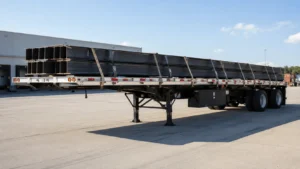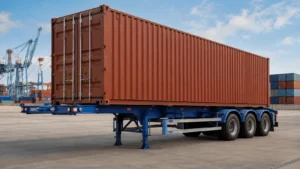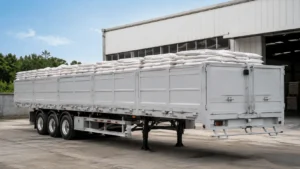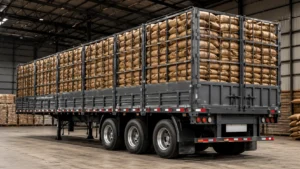

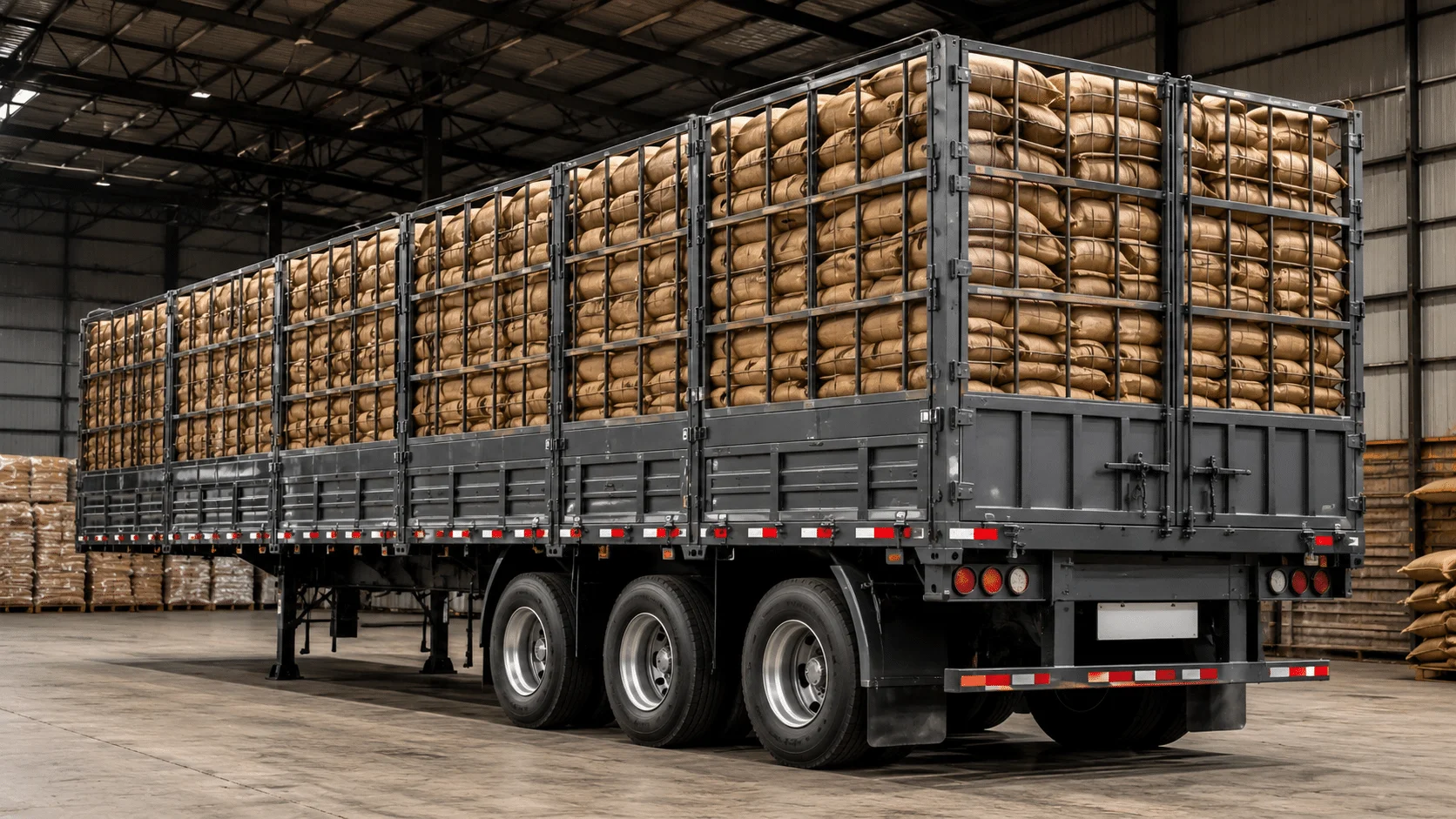
A fence semi trailer combines a loading platform, lower side walls and a high upper fence structure.
It is designed for cargo that requires more side containment than a flatbed or standard side wall trailer.
Fence trailers are especially common in agricultural logistics and regional general cargo transportation.
Basic Structure
The main components usually include:
- Main chassis
- Loading platform
- Lower side wall
- Upper fence sections
- Front and rear walls
- Hinges and locking devices
- Axles
- Suspension
- Brake system
- Landing gear
- Tarpaulin supports where required
The fence may be fixed, removable or divided into multiple opening sections.
Typical Cargo
Fence semi trailers can transport:
- Bagged grain
- Agricultural products
- Animal feed
- Fertilizer
- Packaged food
- Cartons
- Lightweight industrial materials
- General warehouse goods
- Large-volume, low-density cargo
Cargo should be selected according to the trailer structure and local regulations.
Why Fence Height Matters
The high fence structure increases the available cargo volume.
This is helpful when cargo is relatively lightweight but occupies a large amount of space.
Examples include:
- Empty packaging
- Agricultural sacks
- Foam products
- Lightweight components
- Household goods
- General distribution cargo
However, high side structures increase wind resistance and trailer tare weight. The height should therefore match the actual cargo rather than simply being made as high as possible.
Modular Fence Design
Many fence trailers use a modular design.
Each section can be opened or removed independently.
This provides several advantages:
- Easier side loading
- Flexible unloading
- Better access for forklifts
- Adaptation to different cargo lengths
- Simplified replacement of damaged sections
Locking devices must be checked regularly because they are exposed to vibration during transport.
Comparison with Side Wall Trailers
A side wall trailer normally uses lower solid panels and has a lower overall body height.
A fence trailer includes an additional upper enclosure.
The fence trailer generally offers:
- Higher cargo volume
- Better containment for bulky cargo
- More upper structural components
- Greater wind resistance
- More hinges and locks to maintain
A side wall trailer may be more suitable for dense materials and frequent forklift loading.
Tarpaulin System
A fence trailer may use a tarpaulin to protect cargo from rain, dust and sunlight.
Common tarpaulin accessories include:
- Support bows
- Rope hooks
- Tarpaulin rails
- Tension devices
- Front storage area
The tarpaulin should be properly tensioned to avoid movement during transport.
Chassis Requirements
Although some fence cargo is lightweight, the chassis must still be selected according to maximum legal payload.
Important factors include:
- Main beam strength
- Cross-member spacing
- Floor material
- Axle capacity
- Suspension type
- Tire rating
- Braking system
Heavy agricultural products may place significant loads on the trailer even when the cargo appears bulky.
Loading Safety
During loading, cargo should be distributed evenly from front to rear and from side to side.
Uneven loading may cause:
- Excessive axle load
- Poor braking performance
- Tire overload
- Unstable cornering
- Frame stress
- Increased rollover risk
Load restraint should be used even when the fence contains the cargo.
Maintenance Points
Routine inspection should cover:
- Fence welds
- Hinges
- Locks
- Side wall panels
- Floor damage
- Tarpaulin supports
- Axle alignment
- Suspension
- Brakes
- Tires
Loose fence components should be repaired before the trailer returns to service.
Advantages
A fence semi trailer provides:
- High loading volume
- Flexible panel operation
- Good containment
- Suitability for agricultural cargo
- Multiple body configurations
- Optional tarpaulin protection
- Adaptability to regional logistics
Conclusion
A fence semi trailer is practical for agricultural products, packaged goods and bulky general cargo.
Its fence height, opening structure, floor strength and securing system should be selected according to cargo density, loading equipment and route conditions.