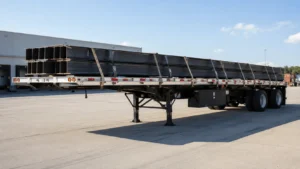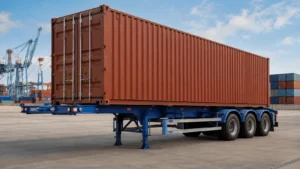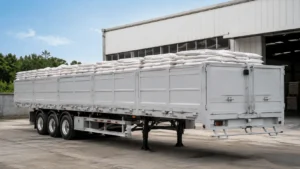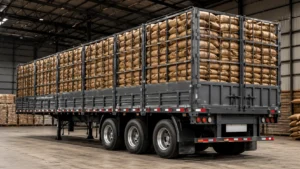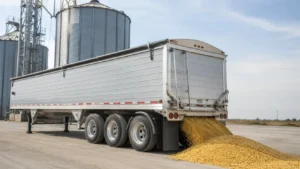

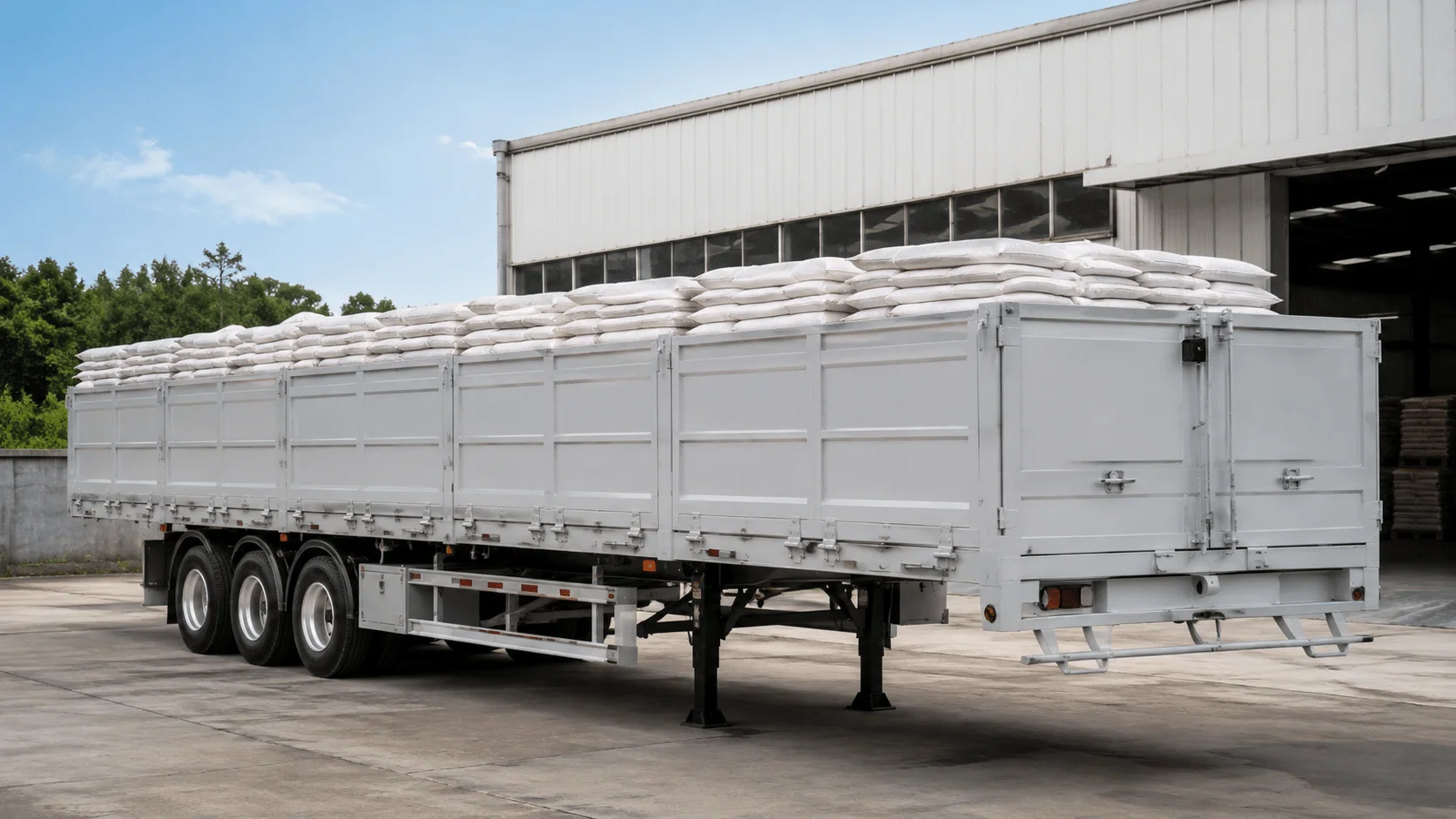
A tipper semi trailer is designed to transport and unload bulk materials such as sand, gravel, coal, grain, ore and construction materials.
The trailer uses a hydraulic lifting system to raise the cargo body and discharge material through the rear or side.
Because tipping changes the trailer’s center of gravity, safe operation and routine maintenance are extremely important.
Main Components
A typical tipper semi trailer includes:
- Main chassis
- Tipping cargo body
- Hydraulic cylinder
- Hydraulic hoses
- Pump and oil tank
- Rear or side discharge gate
- Hinge system
- Axles and suspension
- Brake system
- Electrical system
- Landing gear
Each component should be inspected according to the manufacturer’s maintenance schedule.
Pre-Operation Inspection
Before loading or driving, inspect:
- Tires and wheel nuts
- Brake air lines
- Suspension components
- Hydraulic hoses
- Oil leakage
- Cylinder mounting points
- Body hinges
- Tailgate locks
- Lighting system
- Chassis welds
Any serious defect should be repaired before operation.
Loading Guidelines
Bulk cargo should be distributed evenly.
Avoid placing excessive weight:
- At the front of the body
- At the rear gate
- On one side
- Above the legal payload
- In one concentrated position
Uneven loading affects axle loads and may cause instability during transport or unloading.
Select a Safe Unloading Area
The trailer should only be tipped on firm and level ground.
Avoid unloading on:
- Slopes
- Soft soil
- Uneven construction surfaces
- Ground with hidden cavities
- Areas close to overhead power lines
- Locations with strong crosswinds
Small ground differences become more significant as the body rises.
Tractor and Trailer Alignment
The tractor and trailer should remain straight during rear tipping.
An angled combination can place side forces on the chassis and hydraulic cylinder.
Before lifting:
- Stop the vehicle completely.
- Apply the parking brake.
- Confirm the tractor and trailer are aligned.
- Check the rear unloading area.
- Keep people away from the trailer.
- Unlock the discharge gate correctly.
Monitor the Cargo During Tipping
Some materials may stick to one side of the body.
This can happen with:
- Wet soil
- Clay
- Frozen material
- Sticky ore
- Damp grain
- Compacted bulk cargo
If material does not discharge evenly, lower the body and investigate the cause.
Do not continue raising the body when cargo is hanging on one side.
Hydraulic System Maintenance
The hydraulic system should be inspected regularly.
Check:
- Oil level
- Oil quality
- Hose condition
- Connections
- Cylinder seals
- Pump operation
- Control valve
- Mounting pins
Replace damaged hoses immediately.
Never inspect a pressurized hydraulic leak with bare hands because high-pressure oil can cause serious injury.
Cylinder Inspection
The hydraulic cylinder carries significant force during tipping.
Inspect for:
- Bent cylinder stages
- Oil leakage
- Damaged seals
- Loose mounting pins
- Corrosion
- Uneven lifting
- Abnormal noise
The cylinder must not be used as a support for maintenance work beneath a raised body.
Body and Hinge Maintenance
The rear hinge transfers the body load to the chassis during tipping.
Inspect:
- Hinge pins
- Bushings
- Welds
- Lubrication
- Alignment
- Retaining devices
Worn hinges may cause body movement and uneven cylinder loading.
Tailgate and Locking System
The discharge gate should open and close correctly.
Check:
- Locking hooks
- Hinges
- Seals
- Pneumatic or hydraulic controls
- Safety chains
- Gate alignment
The gate must be fully secured before road transport.
Chassis Inspection
Bulk materials create repeated heavy loads.
Inspect the chassis for:
- Cracks
- Deformation
- Loose fasteners
- Damaged cross-members
- Suspension mounting wear
- Corrosion
- Welding defects
High-stress areas near the cylinder base and rear hinge require particular attention.
Cleaning
Residual material should be removed after unloading.
Cleaning helps prevent:
- Corrosion
- Cargo contamination
- Extra trailer weight
- Gate blockage
- Uneven future loading
The body should be cleaned according to the transported material and environmental rules.
Safe Maintenance Under a Raised Body
Never work beneath an unsupported raised body.
Use a manufacturer-approved mechanical body support before inspection or repair.
Hydraulic pressure alone is not a safe support because a hose, valve or seal may fail unexpectedly.
Conclusion
Safe tipper semi trailer operation depends on level ground, even loading, correct tractor alignment and careful monitoring during unloading.
Routine inspection of the hydraulic system, cylinder, hinges, tailgate, chassis, suspension and brakes can reduce failures and extend trailer service life.