
Side wall and fence semi trailers are both suitable for general cargo, but they differ in loading volume, side protection, flexibility and typical applications.
Side Wall Semi Trailer vs Fence Semi Trailer: Which One Should You Buy?
Side wall semi trailers and fence semi trailers are commonly used for agricultural products, packaged goods, construction materials and general cargo.
Their lower chassis structures may be similar, but the upper body design creates important differences in loading volume, cargo protection and operating flexibility.
Understanding these differences can help buyers choose the correct trailer.
What Is a Side Wall Semi Trailer?
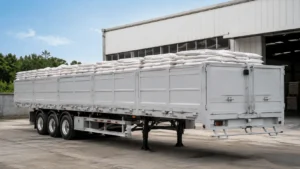
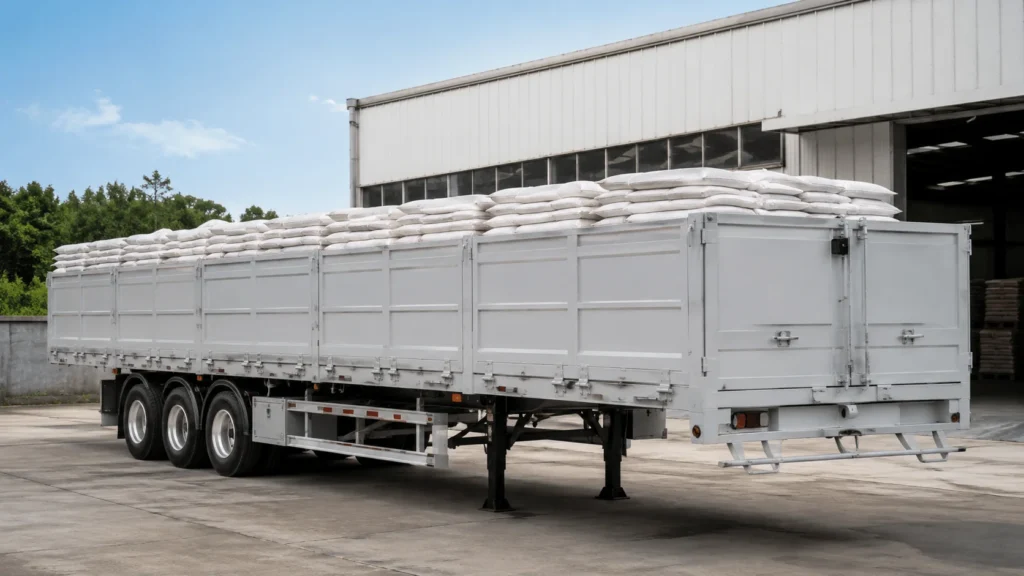
A side wall semi trailer has solid side panels installed around the loading platform.
The panels are usually divided into sections that can be opened or removed for loading.
Typical cargo includes:
- Bagged grain
- Fertilizer
- Building materials
- Packaged goods
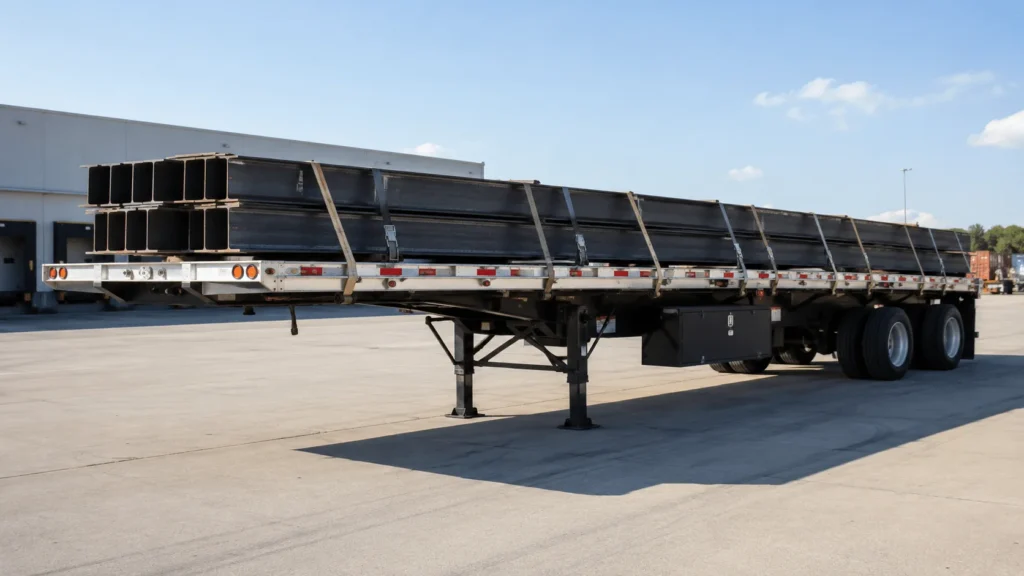
- Steel products
- General cargo
- Palletized products
The solid side walls help prevent cargo from sliding off the platform.
What Is a Fence Semi Trailer?
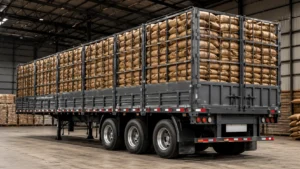
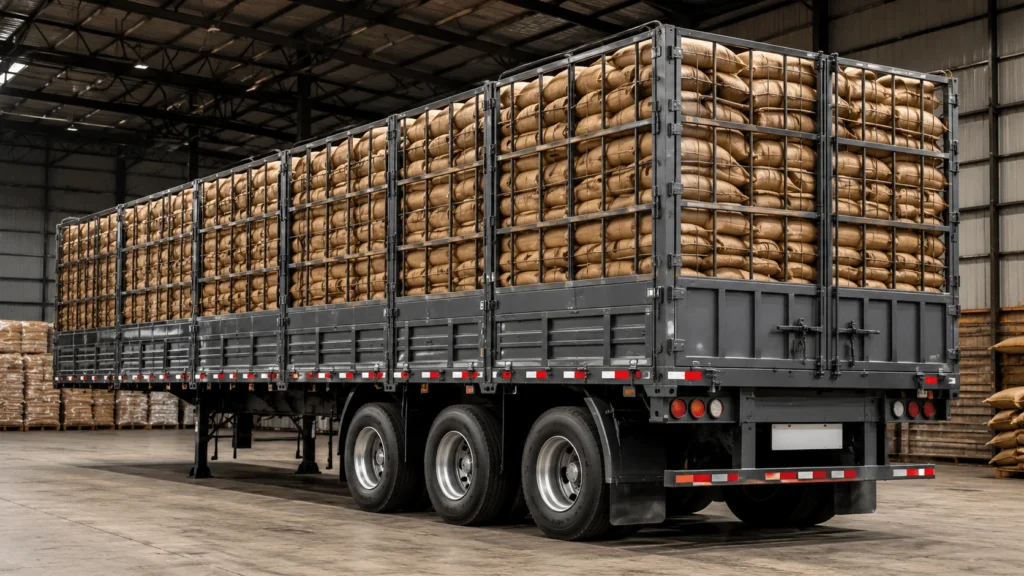
A fence semi trailer combines lower side panels with an upper fence or cage structure.
The upper fence increases cargo volume while keeping the trailer relatively open.
Typical cargo includes:
- Agricultural products
- Lightweight bulk cargo
- Packaged consumer goods
- Livestock in specially designed applications
- Large-volume low-density cargo
- General logistics cargo
The fence structure may be removable or divided into sections.
1. Cargo Protection
A side wall semi trailer provides stronger lower-side protection because the panels are solid.
It is suitable for cargo that may move during transport but does not require a high enclosure.
A fence semi trailer provides greater vertical containment. It is more suitable for high-volume cargo that needs additional side support.
2. Loading Volume
Fence semi trailers generally offer larger loading volume due to their higher side structure.
This makes them practical for light but bulky goods.
Side wall trailers usually have lower side panels and are more suitable when cargo density is higher or loading height is limited.
3. Loading and Unloading
Both trailer types can use opening side panels.
For frequent forklift loading, confirm:
- Panel opening direction
- Removable panel design
- Lock position
- Side access width
- Floor strength
- Cross-member spacing
A side wall trailer may be more convenient when loading pallets or construction materials from the side.
A fence trailer may require more time to open and close multiple upper sections.
4. Trailer Weight
The high fence structure adds material and may increase trailer weight.
A side wall trailer with lower panels may be lighter, depending on the design and steel thickness.
Trailer weight affects:
- Payload
- Fuel consumption
- Tire wear
- Legal gross weight
- Operating cost
Buyers should ask for the estimated tare weight before ordering.
5. Wind Resistance
The taller structure of a fence semi trailer can create more wind resistance, especially when the sides are covered with tarpaulin.
This may affect fuel consumption and stability in strong crosswinds.
A side wall trailer has a lower profile and may be more suitable for frequent highway transport of dense cargo.
6. Cargo Flexibility
A side wall trailer is suitable for:
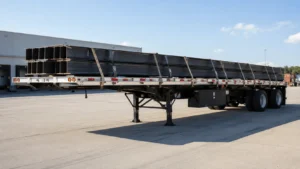
- Steel
- Bagged cargo
- Pallets
- Construction materials
- General goods
A fence trailer is suitable for:
- Agricultural cargo
- Packaged goods
- Large-volume cargo
- Lightweight bulk materials
- Mixed regional logistics
If the upper fence can be removed, the trailer may also carry oversized cargo.
7. Maintenance Requirements
Both trailers require inspection of:
- Hinges
- Locks
- Side panels
- Fence connections
- Welding points
- Floor
- Brake system
- Suspension
Fence trailers contain more upper structural parts, so locking mechanisms and fence connections should be checked regularly.
8. Customization Options
Common customization options include:
- Side wall height
- Fence height
- Number of panel sections
- Removable structure
- Hydraulic opening
- Tarpaulin system
- Axle configuration
- Floor material
- Cargo securing points
- Tool boxes
The final design should match cargo dimensions and loading procedures.
Which Trailer Should You Choose?
Choose a side wall semi trailer when:
- Cargo is relatively dense
- Strong solid side protection is required
- Forklift side loading is frequent
- Lower body height is preferred
- The trailer will carry pallets, steel or construction materials
Choose a fence semi trailer when:
- Cargo has a large volume
- Higher side containment is required
- Agricultural and packaged products are frequently transported
- Removable upper sections are useful
- Transport flexibility is a priority
Conclusion
There is no single best option for every transport business.
A side wall semi trailer provides practical solid-side protection and convenient loading. A fence semi trailer provides higher loading volume and greater flexibility for bulky cargo.
Before purchasing, compare cargo density, loading method, route conditions and legal weight limits.