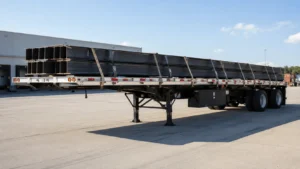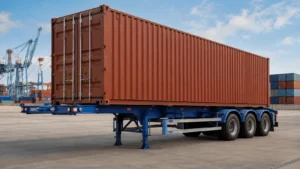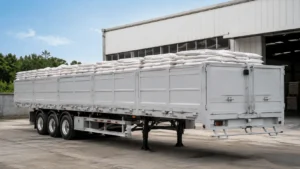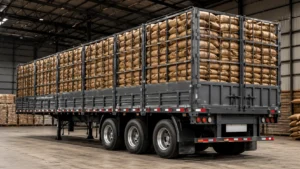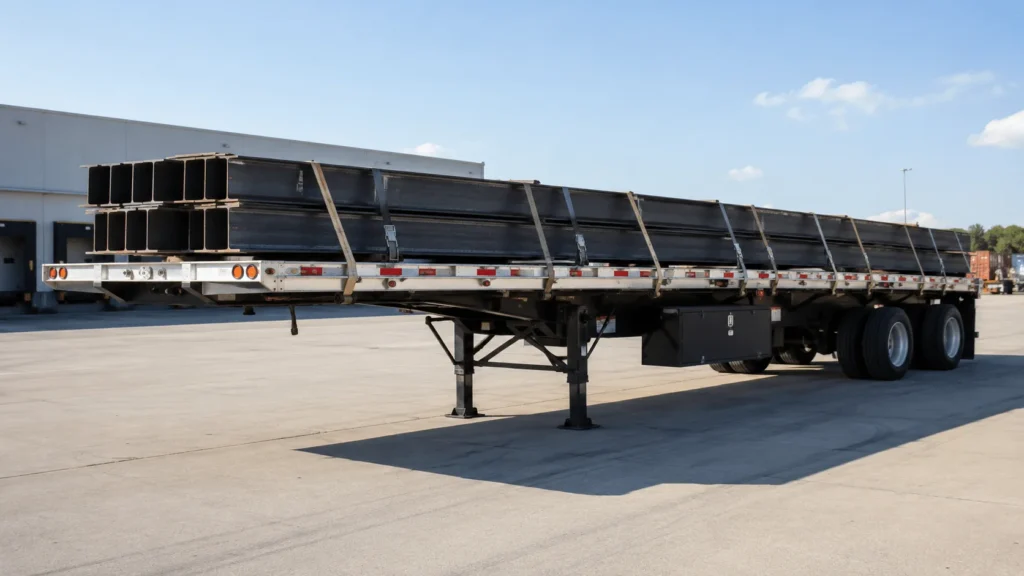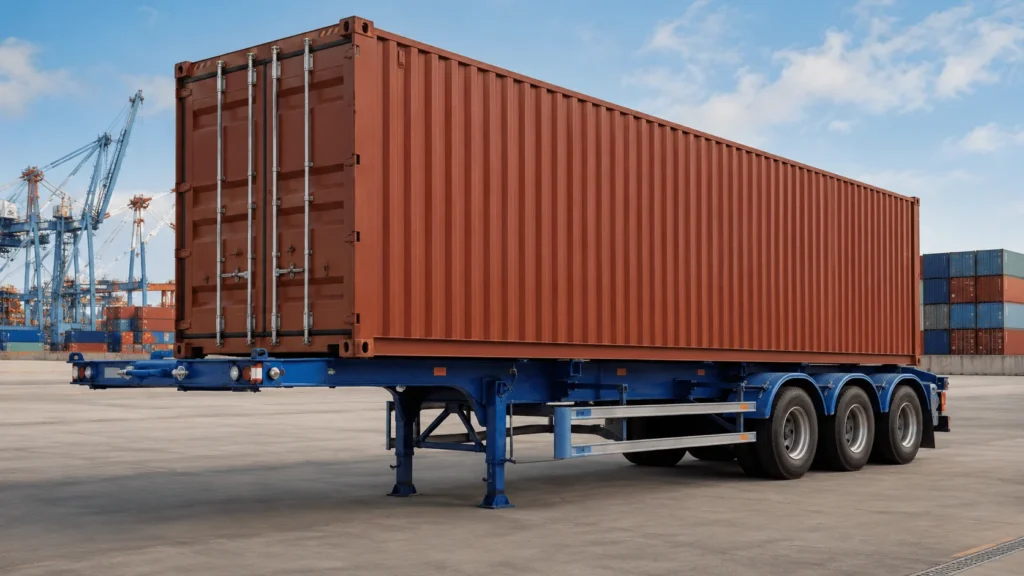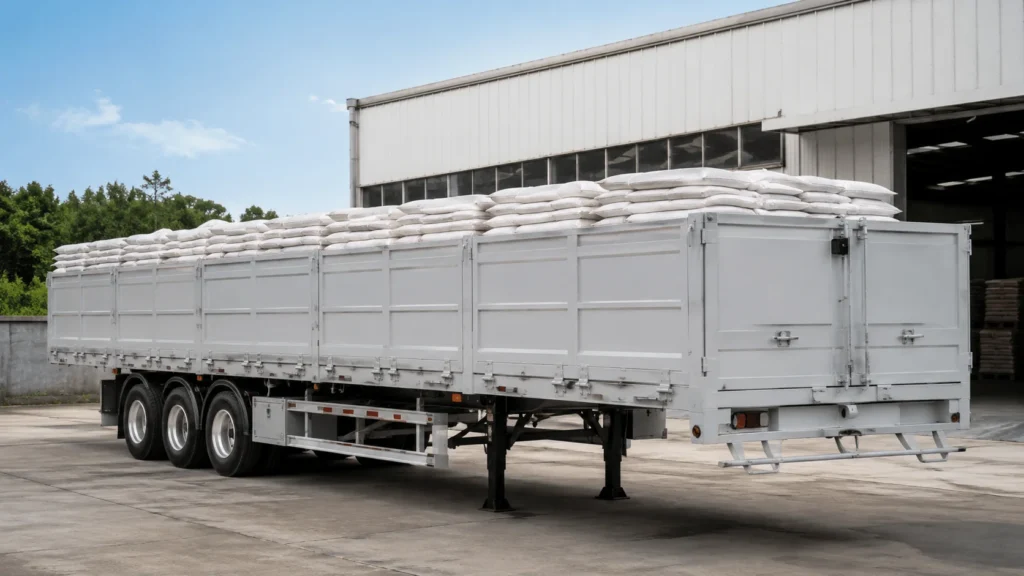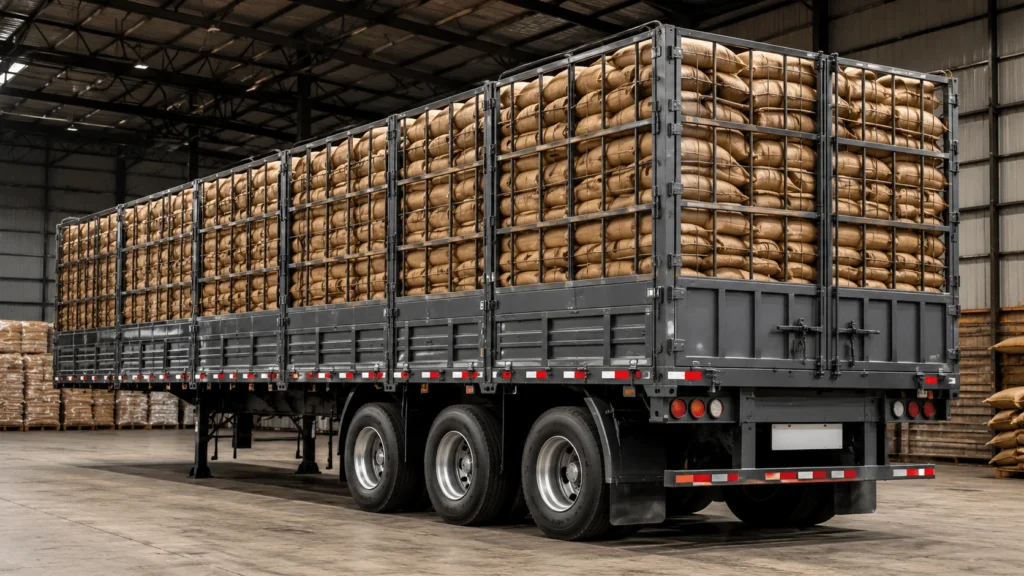

A flatbed semi trailer can transport containers, steel, machinery and general cargo. Learn how to compare platform dimensions, axle configuration, container locks, suspension and frame strength before buying.
Flatbed Semi Trailer Buying Guide: Key Specifications to Check
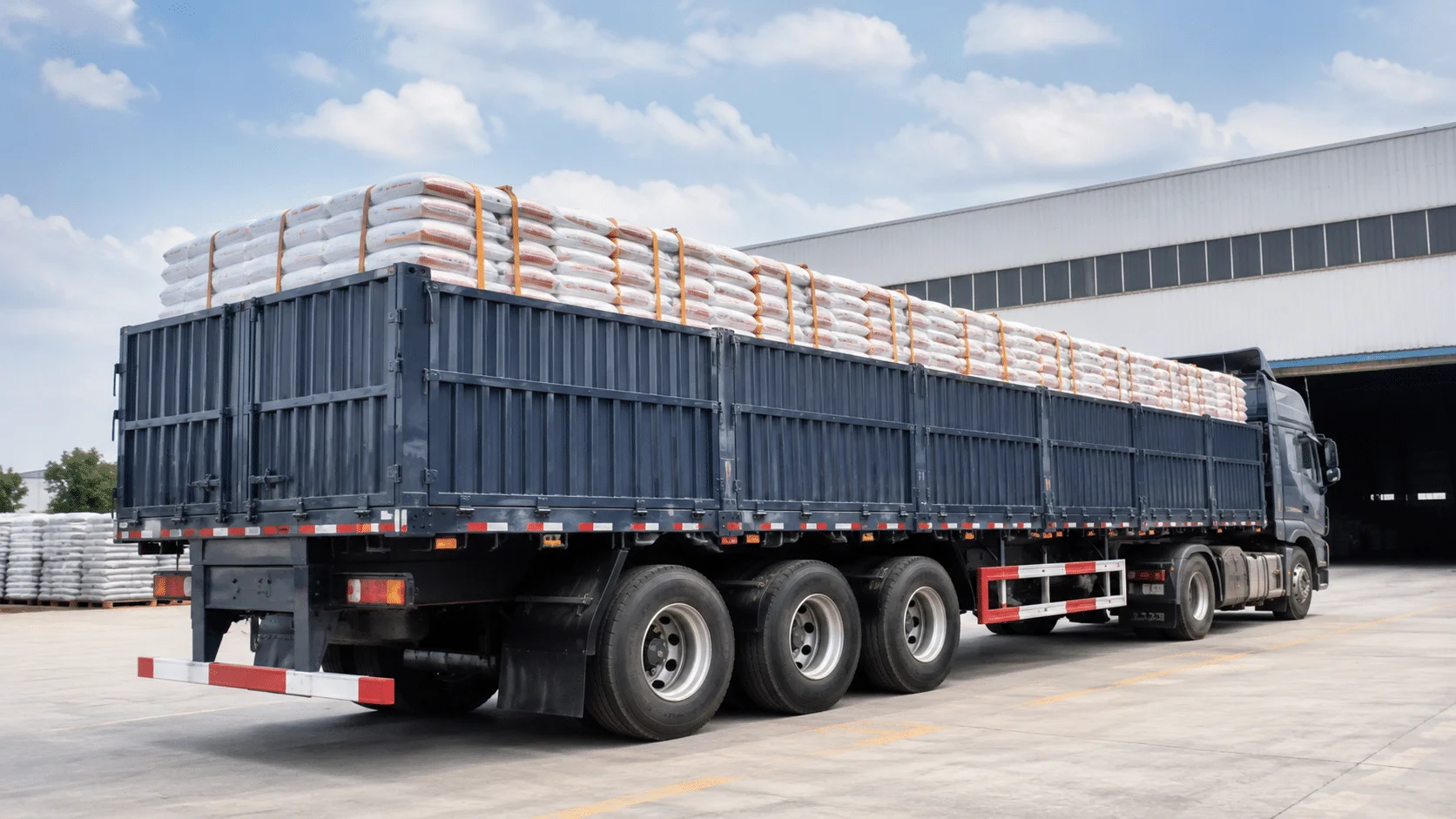
A flatbed semi trailer is one of the most versatile trailers used in international transport. It can carry containers, steel, pipes, construction materials, machinery and packaged cargo.
Although many flatbed trailers look similar, their structural design and component configuration may be very different. Buyers should therefore evaluate more than platform length and price.
1. Define the Main Transport Application
The first question is what the trailer will carry most frequently.
Typical applications include:
- 20 ft containers
- 40 ft containers
- 45 ft containers
- Steel coils
- Pipes and beams
- Construction materials
- Machinery
- General cargo
A trailer designed mainly for containers may require additional twist locks. A trailer used for concentrated heavy cargo may need stronger cross-members and reinforced loading positions.
2. Select the Platform Length
Common flatbed semi trailer lengths vary according to container standards and local transport requirements.
The platform should be long enough for the intended cargo while remaining practical for turning, loading and parking.
Confirm:
- Overall trailer length
- Platform length
- Platform width
- Deck height
- Rear overhang
- Kingpin position
For container transport, twist lock positions must match the container sizes used by the customer.
3. Choose the Correct Axle Number
A 3 axle flatbed semi trailer is commonly used for standard container and general cargo transport.
A 4 axle configuration may be selected for heavier cargo or markets with specific axle load requirements.
The correct axle setup depends on:
- Total cargo weight
- Local weight regulations
- Road conditions
- Tractor specification
- Required turning radius
More axles do not automatically mean better performance. The design should match the actual application.
4. Check the Main Beam Design
The main beam carries most of the trailer load. Its design should be selected according to payload and cargo distribution.
Ask the manufacturer about:
- Steel material
- Beam height
- Flange thickness
- Web thickness
- Reinforcement plates
- Welding method
- Cross-member spacing
A flatbed used for steel coils or machinery may require stronger local reinforcement than one used only for containers.
5. Confirm Container Lock Configuration
For container transport, twist locks are essential.
Buyers should confirm:
- Number of twist locks
- Lock positions
- Compatibility with 20 ft and 40 ft containers
- Removable or fixed design
- Locking direction
- Maintenance access
The lock layout should allow the trailer to carry the required container combinations safely.
6. Compare Mechanical and Air Suspension
Mechanical suspension is durable and widely used in demanding road conditions. It is relatively simple to maintain and suitable for many export markets.
Air suspension provides smoother operation and may reduce vibration for sensitive cargo.
When choosing suspension, consider:
- Road quality
- Cargo type
- Maintenance capability
- Local spare parts
- Legal requirements
- Operating cost
7. Review the Platform Surface
The deck material should match the cargo and loading method.
Common options include:
- Steel plate floor
- Patterned anti-slip plate
- Wood floor
- Steel and wood combination
- Reinforced loading zones
If forklifts frequently operate on the platform, the floor and supporting cross-members should be designed for repeated concentrated loads.
8. Check Cargo Securing Points
Flatbed cargo must be securely restrained.
Useful accessories include:
- Rope hooks
- Lashing rings
- Stake pockets
- Side posts
- Chain holders
- Winches
- Tool boxes
The position and strength of securing points should be confirmed during the design stage.
9. Inspect Safety Components
Important components include:
- Axles
- Tires
- Brake chambers
- Air tanks
- Landing gear
- Electrical system
- Reflective tape
- Side guards
- Rear bumper
Buyers should select components that are easy to service in their local market.
10. Ask About Surface Treatment
The trailer surface should be cleaned before painting.
A typical process may include:
- Steel surface preparation
- Shot blasting
- Primer coating
- Intermediate coating
- Topcoat application
For humid, coastal or high-corrosion environments, additional corrosion protection should be considered.
Conclusion
A suitable flatbed semi trailer should match the customer’s cargo, roads, loading method and maintenance capability.
Before ordering, confirm platform dimensions, twist lock positions, beam specifications, suspension type and cargo securing accessories. A detailed technical specification helps prevent misunderstandings and ensures the trailer is suitable for daily operation.