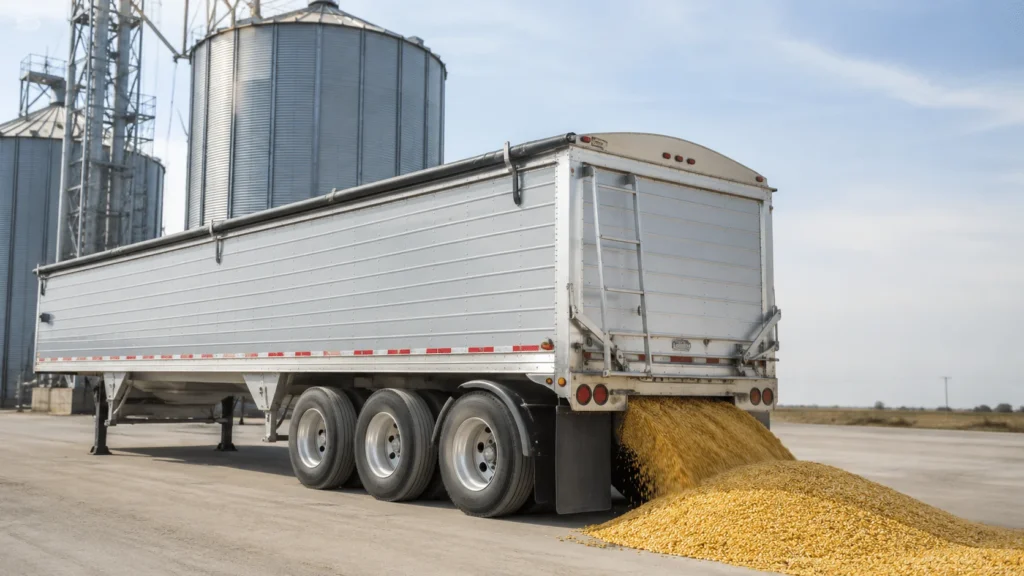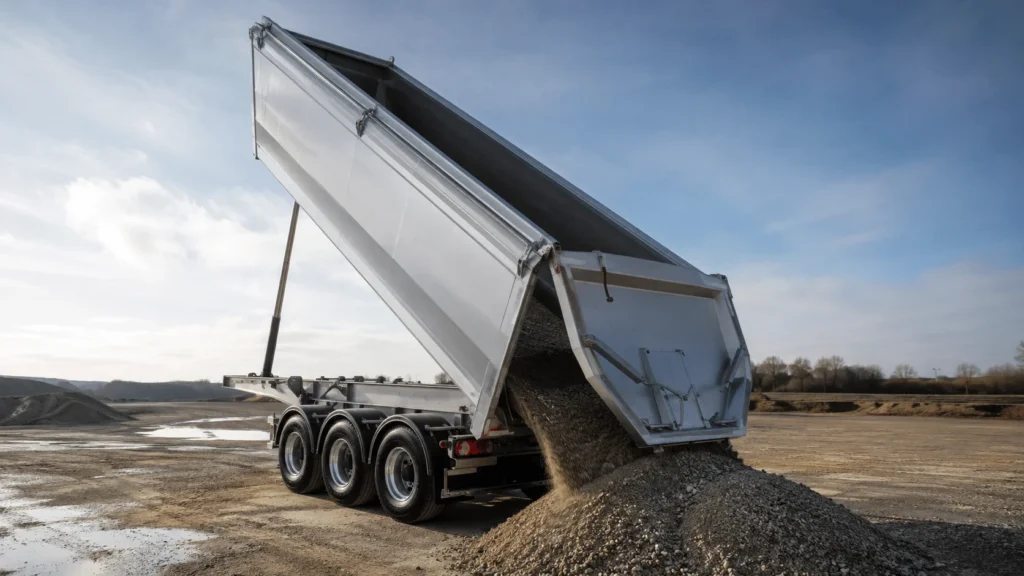

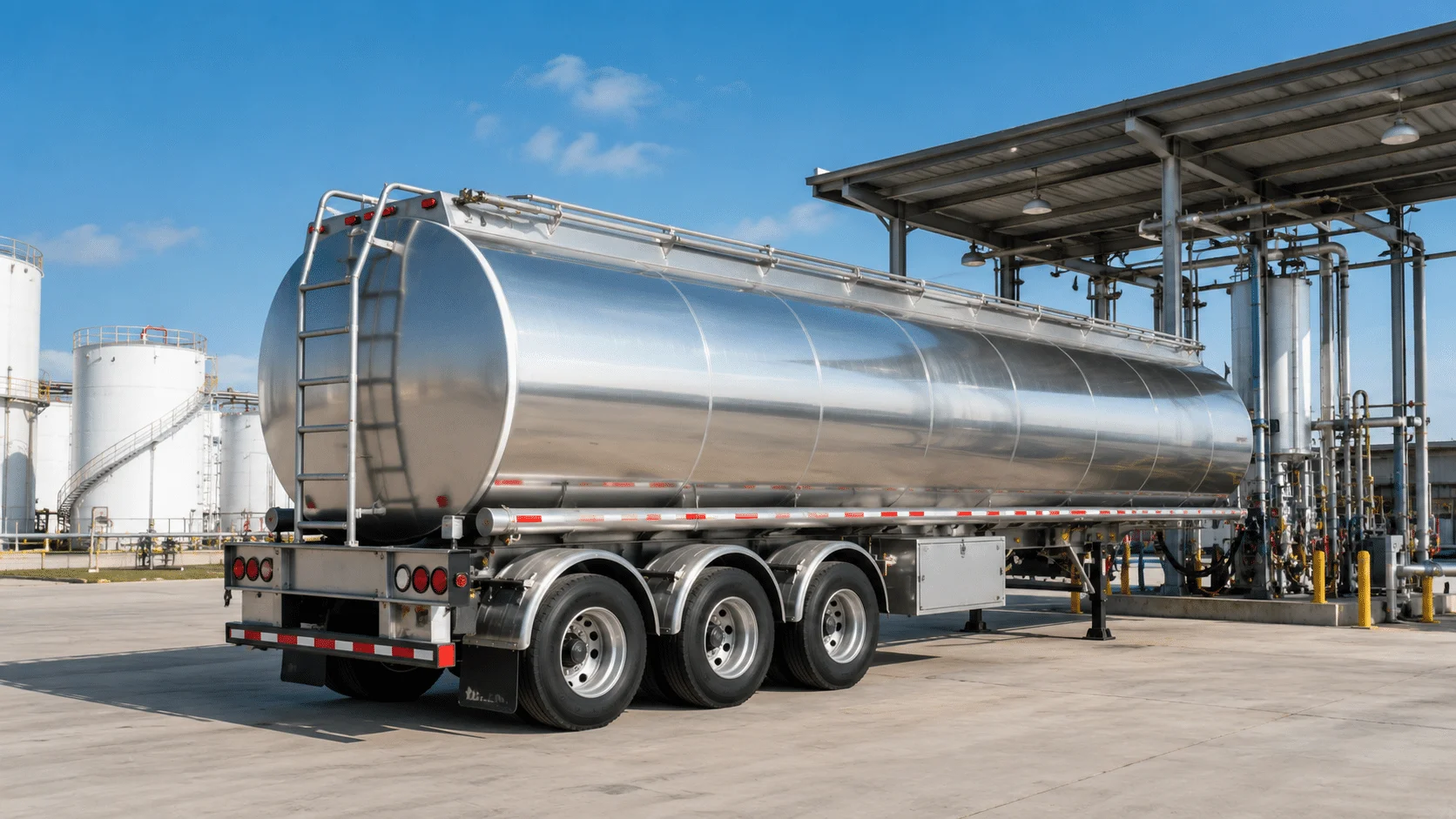
A semi trailer is a long-term investment that directly affects transport efficiency, cargo safety and operating costs. Different cargo types require different trailer structures, so the best option is not always the trailer with the highest capacity or the lowest purchase price.
Before requesting a quotation, buyers should clearly understand their cargo, route conditions, loading method and local transport regulations.
This guide explains the most important factors to consider when choosing a semi trailer.
1. Identify the Cargo You Need to Transport
The first step is to determine what type of cargo the trailer will carry.
Common trailer applications include:
- Containers
- Steel and construction materials
- Agricultural products
- Machinery and excavators
- Fuel and liquid products
- Cement and powder materials
- General packaged cargo
- Oversized equipment
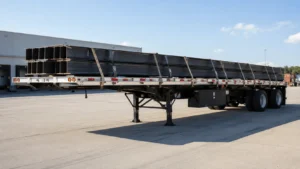
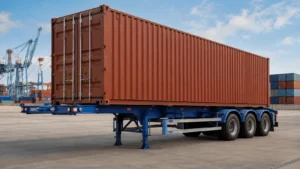
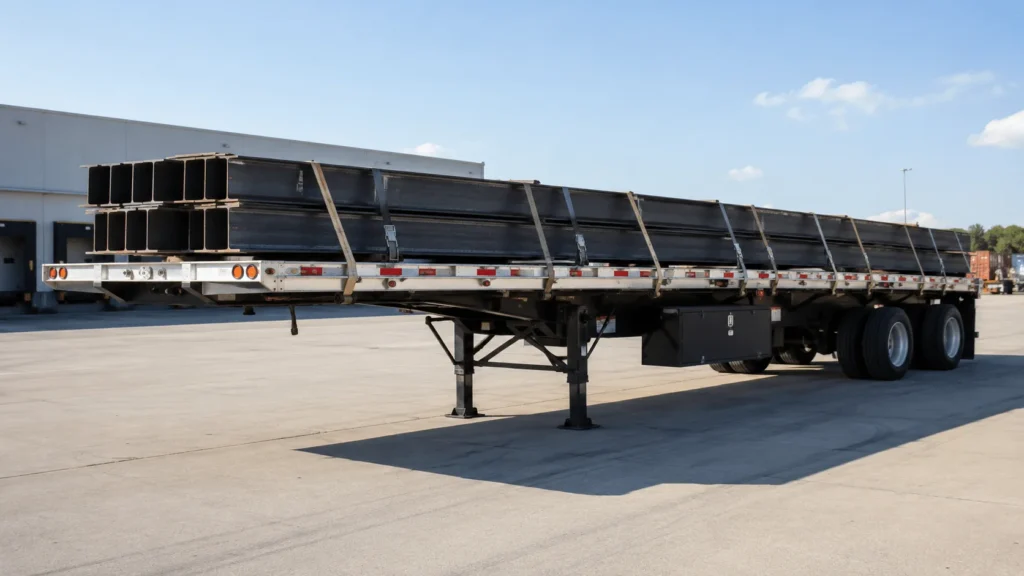
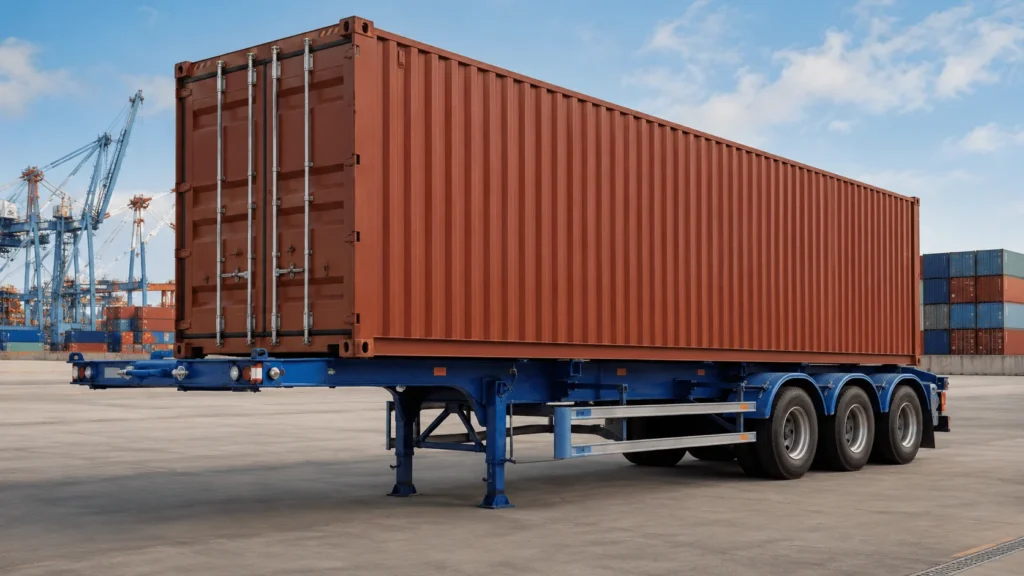
For example, a flatbed semi trailer is suitable for containers, steel structures and general cargo. A low bed trailer is designed for excavators and heavy machinery, while a fuel tanker trailer is specifically built for liquid fuel transportation.
Choosing a trailer based on cargo type helps improve loading efficiency and reduces unnecessary structural weight.
2. Confirm the Required Loading Capacity
The required payload should be calculated according to actual operating conditions rather than the highest possible load.
Consider:
- Average cargo weight
- Maximum cargo weight
- Cargo weight distribution
- Loading frequency
- Local axle load regulations
- Road and bridge restrictions
A trailer designed for excessive capacity may be heavier and more expensive than necessary. On the other hand, an under-specified trailer may experience frame deformation, tire wear and suspension damage.
Always provide the manufacturer with the expected cargo weight and dimensions before confirming the design.
3. Choose the Correct Axle Configuration
Semi trailers are available with different axle numbers and axle capacities.
Common configurations include:
- 2 axle semi trailer
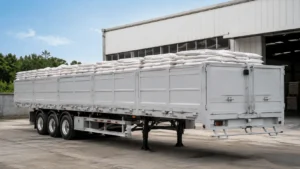
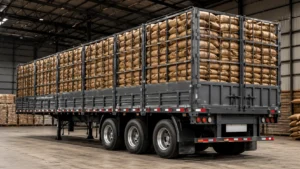
- 3 axle semi trailer
- 4 axle semi trailer
- Multi-axle heavy-duty trailer
A 3 axle semi trailer is widely used for general transport because it provides a practical balance between payload, stability and operating cost.
Heavy equipment transport may require four or more axles to distribute the cargo weight more effectively.
The correct configuration depends on local road regulations, total vehicle weight and cargo concentration points.
4. Evaluate Road Conditions
Road conditions have a major influence on trailer design.
For paved highways, standard suspension and chassis configurations may be suitable. For rough roads, mining areas or construction sites, the trailer may require:
- Reinforced main beams
- Heavy-duty mechanical suspension
- Higher ground clearance
- Stronger landing gear
- Durable tires
- Improved chassis protection
Buyers operating in coastal or humid areas should also consider anti-corrosion treatment and high-quality paint systems.
5. Select the Appropriate Suspension
The two most common suspension options are mechanical suspension and air suspension.
Mechanical Suspension
Mechanical suspension is simple, durable and easy to maintain. It is commonly used in markets where road conditions are rough and spare parts availability is important.
Air Suspension
Air suspension provides better ride quality and cargo protection. It may be suitable for high-value cargo, long-distance highway transport and markets with strict road requirements.
The best option depends on maintenance capability, road quality and cargo sensitivity.
6. Check the Main Structural Materials
The quality of the main beam and chassis affects the durability of the complete trailer.
Important points include:
- Steel grade
- Main beam height
- Upper and lower flange thickness
- Web plate thickness
- Cross-member spacing
- Welding quality
- Reinforcement design
A professional manufacturer should adjust the frame design according to cargo weight and operating conditions rather than using one standard structure for every customer.
7. Review the Brake and Electrical Systems
The braking system should match the axle configuration and local standards.
Buyers should confirm:
- Brake chamber type
- Air tank capacity
- Emergency braking function
- ABS requirements
- Electrical socket standard
- Lighting specifications
- Side marker and warning lamp requirements
Reliable braking and electrical systems are essential for safe long-distance operation.
8. Consider Maintenance and Spare Parts
A trailer should be easy to inspect and maintain.
Before purchasing, ask whether commonly replaced parts are available locally, including:
- Brake linings
- Bearings
- Suspension components
- Air hoses
- Lights
- Tires
- Landing gear parts
Using internationally available components can reduce downtime and make long-term maintenance easier.
9. Compare Total Operating Cost
The purchase price is only one part of the total cost.
Buyers should also consider:
- Fuel consumption
- Tire wear
- Maintenance frequency
- Spare parts cost
- Trailer service life
- Loading efficiency
- Resale value
A well-designed semi trailer may have a higher initial price but lower operating costs over its service life.
Conclusion
Choosing the right semi trailer requires a complete evaluation of cargo, payload, road conditions, axle configuration and maintenance requirements.
Before placing an order, provide the manufacturer with detailed operating information. A customized trailer specification is often more practical than selecting a standard model based only on price.
SEO Title